
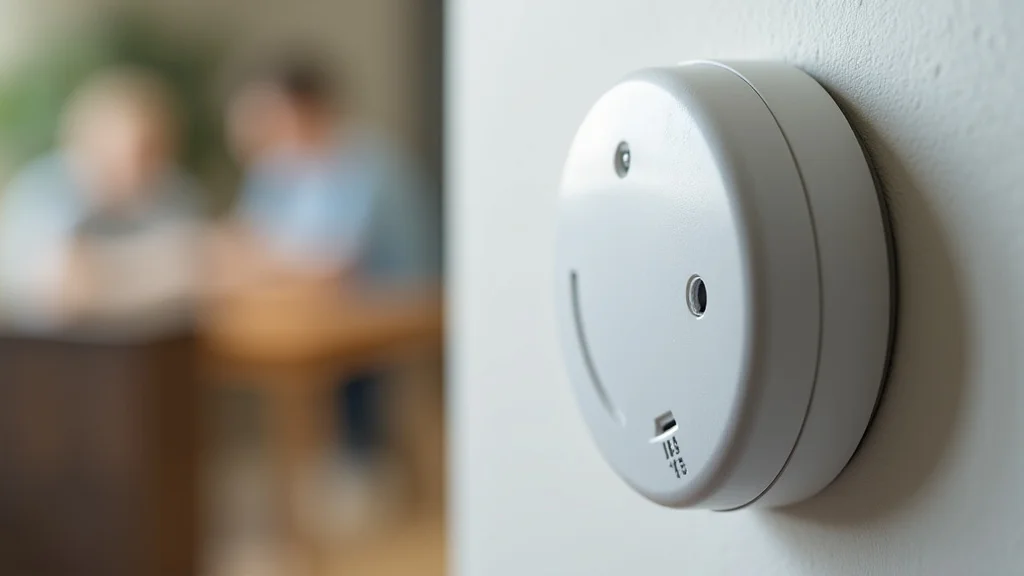
Imagine this: you’re enjoying a relaxing evening, and suddenly, you catch a whiff of something unusual. Is it a leak? A problem with your appliances? This scenario highlights the importance of being prepared and having the right tools to protect your home. Investing in gas detectors for home natural gas is a proactive step toward ensuring your family’s safety. This guide will explore everything you need to know about gas detectors, from how they function to the various types available, empowering you to make informed decisions and safeguard your loved ones.
Key Takeaways
- Learn about the different types of gas detectors and how they work.
- Understand the importance of regular maintenance and testing.
- Discover the key features to consider when choosing a gas detector.
- Get tips on the best placement for your gas detectors at home.
- Find out how to respond if your gas detector sounds an alarm.
- Gain a better awareness of natural gas safety and potential hazards.
Understanding Gas Detectors and Their Importance
Natural gas, while a convenient source of energy for heating and cooking, can pose serious risks if not handled safely. Leaks, whether from faulty appliances or damaged pipes, can lead to dangerous situations, including explosions and health issues. That’s why having gas detectors installed is a crucial safety measure. These devices constantly monitor the air in your home for the presence of natural gas, providing an early warning system to protect you and your family.
How Gas Detectors Work
Gas detectors function by employing sophisticated sensors to identify the presence of specific gases. They utilize different technologies, but the fundamental principle remains the same: to detect and alert you to potential gas leaks. The sensors within the devices react to the presence of natural gas, and when the concentration reaches a certain threshold, the detector triggers an alarm, notifying you of a potential hazard.
- Sensor Technologies: The core of a gas detector is its sensor. There are several types, including catalytic bead sensors and semiconductor sensors. Catalytic bead sensors use a heated wire to oxidize gas, altering its electrical resistance, while semiconductor sensors change their electrical conductivity when exposed to gas.
- Detection Thresholds: Gas detectors are designed to trigger alarms at specific concentration levels, which are regulated by safety standards. This is measured in parts per million (ppm). The detectors are programmed to alert you well before dangerous levels of gas are reached.
- Alarm Systems: Once the sensor detects a gas leak, the detector activates an alarm, typically a loud beeping sound. Some detectors also include visual alerts, such as flashing lights. Advanced models may even send notifications to your smartphone or home security system.
Catalytic bead sensors are generally more sensitive, while semiconductor sensors are usually less expensive. Both types offer effective gas detection, the choice often depending on your budget and needs.
Most detectors are set to alarm when natural gas reaches 10% of the lower explosive limit (LEL). The LEL is the lowest concentration of a gas in air that can produce a fire or explosion in the presence of an ignition source. These thresholds are chosen to ensure early warning, allowing time for safe evacuation and remediation.
These alarms are often designed to be difficult to ignore. The intensity of the sound is intentionally high, which immediately alerts occupants of a problem. Visual alerts ensure that the alarm is noticeable even in noisy environments. Also, the connectivity of more advanced systems provides additional safety by allowing you to monitor and respond to issues when you are away from home.
The Risks of Natural Gas Leaks
Natural gas, primarily composed of methane, is an odorless, colorless gas. It can displace oxygen, leading to asphyxiation. More alarmingly, natural gas is highly flammable and can easily ignite, causing explosions and fires. Early detection is important to mitigate these risks. Knowing the common signs of a gas leak can help you identify a problem before your detector even goes off.
- Fire Hazards: Natural gas is highly combustible. Even a small spark or flame can ignite a gas leak, resulting in a fire or explosion. This can cause significant property damage and put lives at risk.
- Health Effects: The health impacts of exposure to natural gas vary depending on the concentration and duration of exposure. Low-level exposure can cause headaches, dizziness, and fatigue. Higher concentrations can lead to suffocation and death by displacing oxygen in the air.
- Carbon Monoxide Danger: While gas detectors do not directly detect carbon monoxide (CO), natural gas leaks can indicate other problems, such as incomplete combustion of appliances that also produce carbon monoxide.
Gas leaks create an environment where a spark from an appliance, electrical equipment, or even static electricity can cause a devastating explosion. Protecting your home and family from this threat starts with the presence of functioning gas detectors, capable of catching any issues before they escalate.
Symptoms of natural gas exposure may include nausea, difficulty breathing, and blurred vision. Prompt medical attention is important if you suspect exposure. Prompt action will avoid severe health effects.
CO is a toxic gas produced when fuels burn incompletely. CO is odorless and colorless, making it impossible to detect without a CO detector. This is why having both types of detectors is an important safety measure in homes using gas appliances.
Choosing the Right Gas Detectors for Home Natural Gas
Selecting the correct gas detectors for home natural gas involves evaluating your specific needs, considering different features, and determining the appropriate number of detectors for your space. It’s a proactive step in protecting your home and family.
Types of Gas Detectors
Gas detectors come in various forms, each with unique features and benefits. Understanding these options will help you select the most suitable type for your situation. Factors like location, budget, and desired functionalities play a role in the selection.
- Plug-in Gas Detectors: These detectors are convenient and easy to install, plugging directly into a standard electrical outlet. They are suitable for renters or those who want a simple, portable solution.
- Battery-Powered Gas Detectors: Battery-powered detectors are versatile and can be placed anywhere in your home, regardless of the availability of outlets. They are a good choice for areas without accessible power sources.
- Hardwired Gas Detectors: Hardwired detectors are connected directly to your home’s electrical system, offering a permanent, reliable solution. They are often integrated into home security systems and are a good choice for new construction or major renovations.
- Combination Gas and CO Detectors: These units detect both natural gas and carbon monoxide. Since both risks are often present in homes that use gas appliances, this combo option provides comprehensive protection, often at a lower cost than purchasing separate detectors.
Plug-in detectors offer quick installation, without the need for any wiring or complex setup. The portability feature makes them useful in different parts of the house as needed, as well as easy to move if you relocate. Although they are basic, they still offer essential gas leak detection capabilities.
Battery-powered detectors provide protection even during power outages. They often come with features like low-battery warnings to alert you to replace the batteries. Be certain to change batteries regularly to ensure proper function.
Hardwired detectors generally have a longer lifespan and may offer more advanced features. They often provide remote monitoring capabilities. They provide peace of mind by offering continuous and reliable protection, integrated with your home’s safety infrastructure.
Combination units are convenient and save space. They ensure that you are protected against the two most common gas-related hazards. They monitor the two most common gases of concern to your home, offering valuable protection in a single device.
Key Features to Look For
When selecting gas detectors for home natural gas, look for features that enhance safety and ease of use. This can make the process of making the best choice very simple.
- Sensitivity and Accuracy: The detector’s sensitivity determines its ability to detect small gas leaks. Select a detector with a low detection threshold.
- Audible and Visual Alarms: Look for detectors with loud audible alarms and bright visual indicators, such as flashing lights.
- Test and Silence Buttons: Test buttons let you verify the detector’s functionality, and silence buttons allow you to temporarily quiet false alarms.
- Connectivity and Smart Features: Some modern detectors can connect to your home network and send alerts to your smartphone.
A highly sensitive detector will alert you before dangerous gas levels are reached. Be certain that your detector meets industry safety standards to ensure reliable performance. Accuracy is essential for early detection.
Loud alarms will ensure you notice the leak immediately. The visual indicators add an extra layer of detection, ensuring that the alarm is noticeable in noisy or dark environments. Combine these features for peace of mind.
These features give you the ability to verify that your detector is working properly. The silence function allows you to temporarily silence the alarm while you investigate the source of the potential leak.
Smart features like remote monitoring and notifications let you stay aware of potential problems. These features will give you the ability to monitor the safety of your home, even when you are away.
Proper Placement and Maintenance
The effectiveness of your gas detectors for home natural gas depends not only on the device itself but also on its placement and the care you give it. This can make a big difference.
Ideal Placement for Gas Detectors
Proper placement is important to ensure your detectors effectively monitor for natural gas leaks. Understanding the behavior of natural gas will help you find the best spots for optimal detection.
- Near Gas Appliances: Place detectors near gas appliances, such as stoves, ovens, furnaces, and water heaters.
- Within Breathing Height: Install detectors at a height where they can easily detect gas leaks. Keep them a safe distance from areas that might cause damage to them.
- In Sleeping Areas: Place detectors near bedrooms and sleeping areas to alert occupants if a leak occurs while they are asleep.
- Avoiding Dead Zones: Place detectors away from areas where airflow is restricted, such as corners or behind furniture.
These are the areas where leaks are most likely to occur. Placing detectors nearby increases the chance of early detection. Close proximity provides more effective monitoring of potential issues.
Gas detectors positioned at the proper height are more likely to detect gas, and also alert those in the building. Keep detectors away from direct airflow to avoid interference with the sensors.
This placement ensures that individuals are alerted to a potential gas leak. Placing detectors near bedrooms can save lives by ensuring prompt awareness. It is a good idea to put detectors in several locations, especially bedrooms.
Proper airflow is critical for efficient detection. Avoid areas where air circulation is limited to ensure that gas can reach the detector’s sensor. By avoiding dead zones, you can enhance the detector’s performance.
Maintenance and Testing
Regular maintenance ensures that your gas detectors for home natural gas function properly and provide reliable protection. Regular testing is essential.
- Regular Testing: Test your detectors monthly using the test button. This verifies that the alarm system is operational.
- Battery Replacement: Replace batteries as recommended by the manufacturer, usually once or twice per year.
- Cleaning and Inspection: Regularly clean your detectors of dust and debris and check for any signs of damage.
- Replacement Schedule: Replace gas detectors every 5-7 years, as recommended by the manufacturer.
Regular testing ensures that the detectors function. Checking this monthly helps ensure the safety of your home. It’s a quick and simple way to ensure the functionality of your devices.
A low battery can cause your detector to fail. Check the battery level periodically. Battery replacement is easy and simple, and should be done promptly.
Dust and debris may interfere with detection and cause false alarms. Regular visual inspections will help you identify any damage. Proper cleaning will ensure long-term functionality.
Sensors can lose sensitivity over time, reducing their ability to detect gas leaks. Timely replacement guarantees that your home is well-protected. Replace detectors when they reach the end of their lifespan.
Responding to a Gas Leak Alarm
Knowing how to react if your gas detectors for home natural gas triggers an alarm is just as crucial as having the detectors in place. Proper and immediate action can minimize risks and protect your household.
Immediate Actions to Take
When the alarm sounds, the goal is to ensure the safety of everyone in the home, as well as to minimize the risks of fire, explosion, or health effects. Immediate, decisive action is essential in a gas leak situation.
- Evacuate the Premises: Evacuate the home immediately. Get everyone out of the house.
- Call for Help: Call your gas company and the emergency services (911 in the U.S.) from a safe location.
- Do Not Use Electronics: Do not use any electronics, including phones, light switches, or appliances, as they could trigger a spark.
- Ventilate the Area: After evacuating, open windows and doors to ventilate the area, if safe to do so.
Leaving the building immediately is the most important step to ensure safety. Gas leaks can be dangerous. Evacuation is the best option when the alarm sounds.
Alerting the authorities ensures professional help is on the way. Provide the authorities with the correct location to assist them in locating your home. Inform the operators about the emergency.
Sparks can ignite the gas. Avoid creating any potential sources of ignition. Refrain from operating electrical items to avoid a fire.
Ventilation helps to disperse the gas and reduces the risk of explosion or health effects. Provide natural ventilation, if possible. However, the evacuation is the most important step.
After the Alarm
After you have left the building and alerted the authorities, there are additional steps to take to ensure your safety and have the situation resolved safely.
- Wait for Professionals: Allow the gas company and emergency responders to investigate the source of the leak and make repairs.
- Do Not Re-enter: Do not re-enter your home until the authorities have cleared it and declared it safe.
- Review the Cause: Once the leak is resolved, find out the cause and take steps to prevent future occurrences.
These professionals are qualified to handle gas leaks and ensure that the situation is safe. A trained professional is vital in a gas leak situation. Allow them to determine what happened.
Re-entering the building prematurely can expose you to the lingering dangers of the gas leak. Professionals will tell you when it is safe to return. Do not risk it and make sure you understand.
Understanding the root cause will allow you to prevent similar incidents. Proper maintenance and regular inspections can help prevent future problems. Preventative measures will help.
Common Myths Debunked
Frequently Asked Questions
Question: How often should I test my gas detector?
Answer: It’s important to test your gas detector monthly using the test button and replace the batteries every six months, or as recommended by the manufacturer.
Question: Can gas detectors detect all types of gas leaks?
Answer: No, the detectors are made to detect natural gas, which primarily includes methane. However, some detectors are made to detect carbon monoxide (CO) at the same time.
Question: What’s the lifespan of a gas detector?
Answer: Gas detectors generally last for 5-7 years. After this time, the sensors may start to lose sensitivity, so replacing the units is vital to safety.
Question: What does it mean if my gas detector is chirping or beeping?
Answer: A chirping or beeping sound from your gas detector typically means low batteries. If the unit does not beep or chirp, it might indicate a gas leak or other issue.
Question: Can I use a gas detector in a mobile home?
Answer: Yes, gas detectors are suitable for use in mobile homes. Be certain to place them in the correct locations, such as near appliances and in sleeping areas, for best protection.
Final Thoughts
Investing in gas detectors for home natural gas is a very important step to protecting your loved ones and your home. These handy devices provide a valuable early warning system, helping to prevent potentially devastating situations. It’s crucial to select the right type of detector, paying close attention to features like sensitivity and alarm systems. Proper placement and consistent maintenance will guarantee that your detectors function effectively when needed. Remember that regular testing, battery